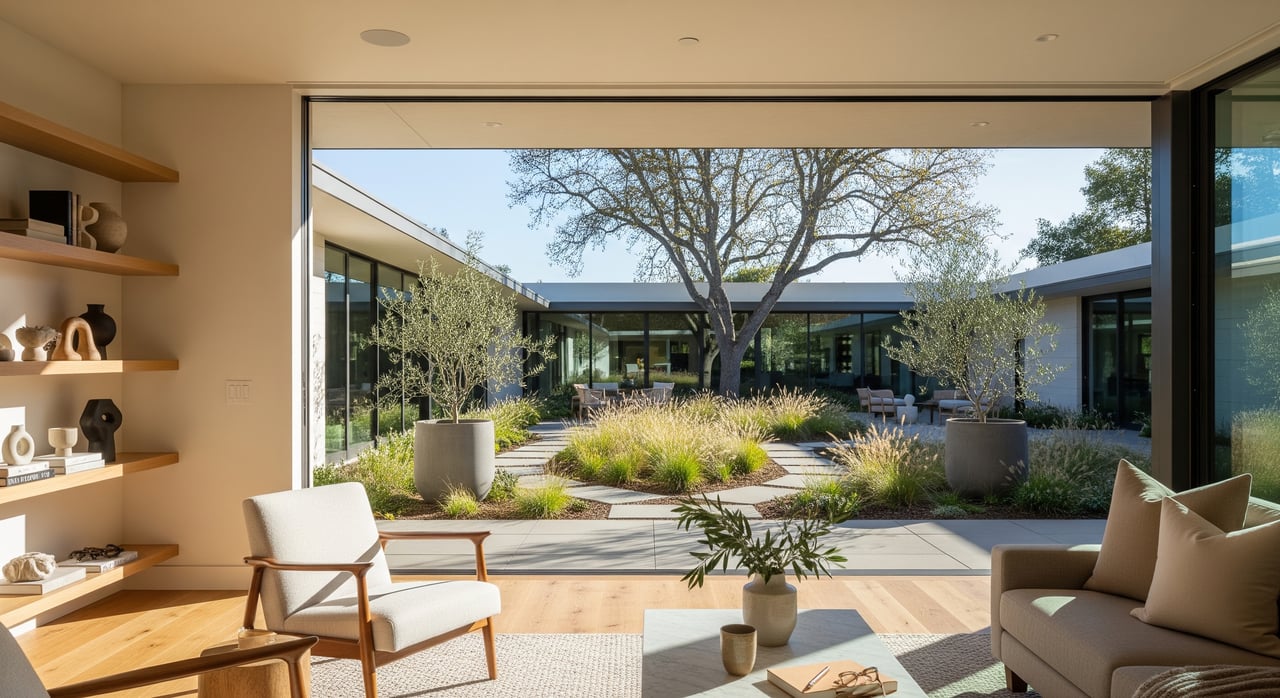
Considering a move to Sunnyvale and wondering what everyday life really feels like in a major tech hub? You want a place that balances career access, manageable commutes, and a community you can enjoy after hours. This guide walks you through commute realities, neighborhood options, schools, parks, dining, and costs so you can picture your week with clarity. Let’s dive in.
Where Sunnyvale fits in Silicon Valley
Sunnyvale sits between Mountain View and Santa Clara in the South Bay, right in Silicon Valley’s core. The city has about 150,000 residents and a mix of older single-family neighborhoods, a walkable downtown, and business parks like Moffett Park.
You will find an urban-suburban blend. Downtown offers cafes and restaurants, while many residential pockets are quiet with tree-lined streets. Sunnyvale is also connected to the broader Bay Area, including the Peninsula, San Jose, and East Bay employment centers.
Commutes and getting around
If you work in the South Bay, commutes often run 10 to 30 minutes by car, depending on the route and time of day. Freeways 101, 280, 85, and 237 are the main arteries and can get congested during peak times. Trips to San Jose are usually quicker than trips up the Peninsula. Driving to San Francisco can take 40 to 70 minutes or more at rush hour.
Caltrain serves downtown Sunnyvale and provides a direct rail option to San Mateo County and San Francisco. Typical travel times to San Francisco range around 40 to 60 minutes depending on the train type and stops. Check current timetables on the official site for planning and fares at the Caltrain schedules.
VTA runs bus lines and light rail that connect Sunnyvale with nearby job centers and San Jose. These services help with last-mile connections or full transit commutes if you prefer to leave the car at home. For routes and trip planning, use the VTA trip planner.
Sunnyvale does not have direct BART service. If you commute to the East Bay, you can connect to BART via the Berryessa/North San Jose station using VTA. Expect transfers and longer door-to-door times compared with South Bay commutes.
Many tech employers supplement commuting with private shuttles and parking or rideshare benefits. Sunnyvale’s climate and flat terrain also make e-bikes and bikes a practical option for short trips, especially when paired with Caltrain.
Commute planning tips
- Confirm whether your employer offers shuttle service or transit subsidies.
- Test-drive your route during your typical commute window to see real travel times.
- Compare Caltrain vs. driving for San Francisco or Peninsula offices.
- Use the City of Sunnyvale and VTA resources to review local connections and bike routes.
Jobs and career proximity
Sunnyvale is surrounded by major employment clusters. You can reach Mountain View, Palo Alto, Santa Clara, and San Jose quickly by car or transit, which is why Sunnyvale is popular with engineers, product managers, and professionals across tech and related fields. Moffett Park and nearby campuses host a large daytime workforce, and many startups and enterprise firms are within a short radius.
If you are relocating, map commute times from specific neighborhoods to your office rather than relying on citywide averages. In the South Bay, a few miles can save you significant time.
Neighborhoods and housing
Sunnyvale’s neighborhoods offer a range of lifestyles. Here are three common choices to consider:
- Downtown and Murphy Avenue area. A walkable core with restaurants, cafes, and a Caltrain stop. Housing nearby includes older single-family homes, condos, and small multi-family buildings. This pocket works well if you prioritize easy evenings out and transit access.
- Moffett Park and North Sunnyvale. Close to large office parks and newer apartments or condos. You get convenience for weekday routines and modern amenities.
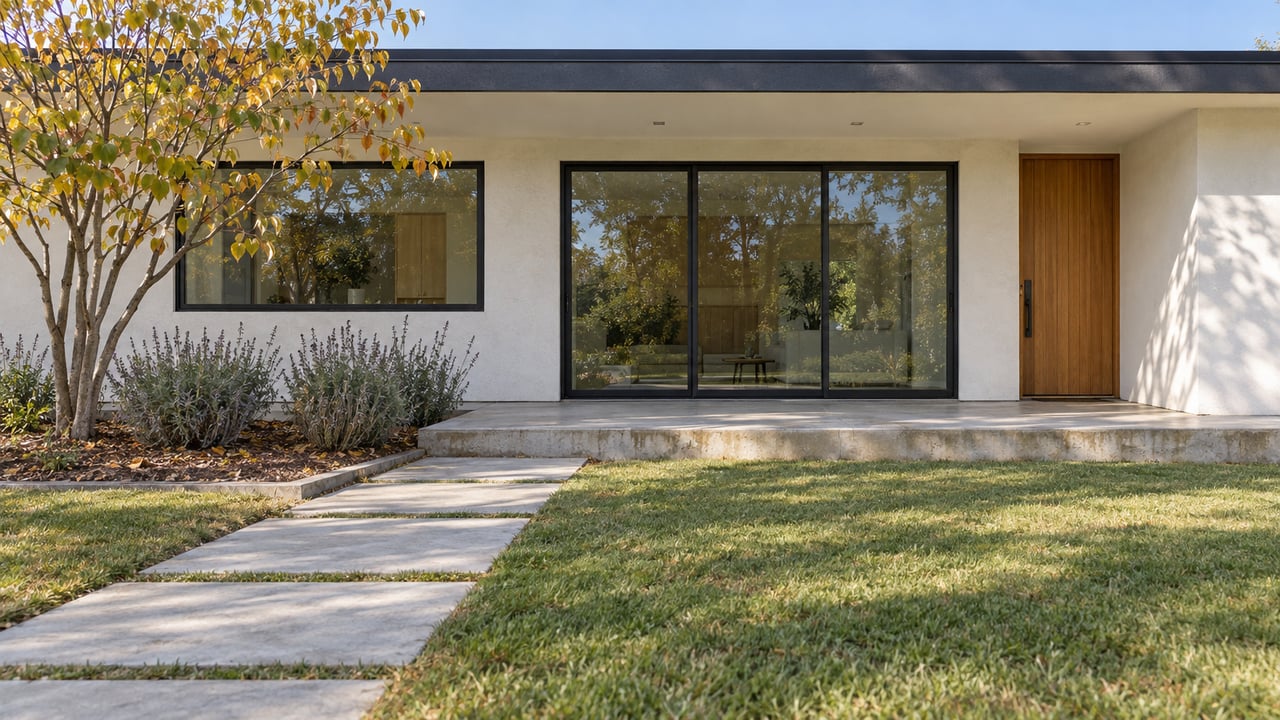
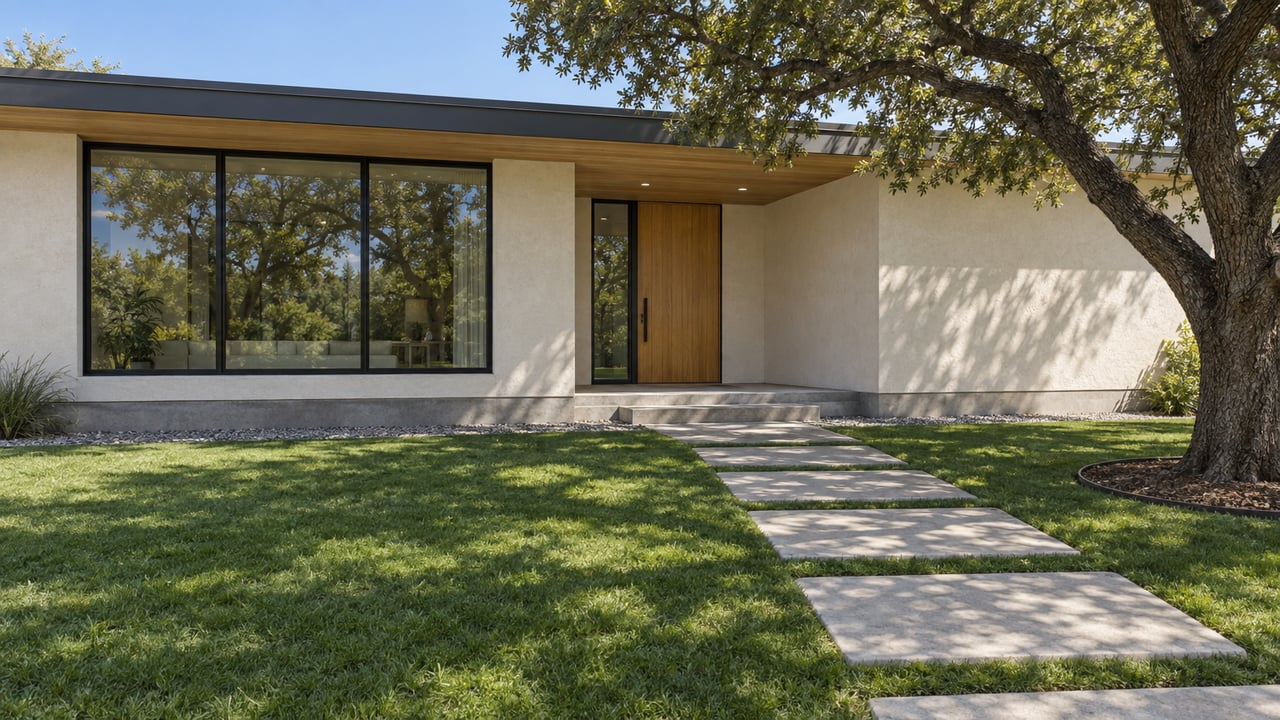
- Residential pockets across the city. Predominantly mid-century single-family homes, many with updates or additions. You will also find townhouses and condos, especially near transit and commercial areas.
Sunnyvale is one of the higher-priced markets in the Bay Area. Single-family homes often land in the upper six-figure to multi-million-dollar range, and condos or townhomes are typically the lower-cost ownership option within the city. Rental rates are also high and vary by building, location, and amenities.
Buy vs. rent tradeoffs
- Buy if you want equity growth potential, stability, and control over renovations. Expect strong competition for well-located single-family homes.
- Rent if you want flexibility, newer amenities, and a shorter commute near Moffett Park or downtown apartments.
- Consider nearby cities if you need more space at a lower price per square foot and can manage a longer commute.
- Watch supply trends. Newer multifamily near transit and office parks gives renters and condo buyers more choices, while single-family inventory remains tight.
Schools and childcare
Sunnyvale is served by multiple public school districts, and assignments depend on your home’s address. Families often review district boundaries closely when choosing a neighborhood. School quality varies by school and district, so use neutral, data-based resources and verify information for any address you consider.
For objective information, compare state report cards and third-party tools. You can review data on the California Department of Education and browse school profiles and boundaries on GreatSchools. Always confirm final assignments with the district.
Childcare and preschool demand is high across the South Bay, and waitlists are common. Start your search early, and ask your employer about dependent care programs or childcare benefits that can offset costs.
Nearby higher education includes Santa Clara University, San Jose State University, De Anza College, and Foothill College. These schools provide continuing education, certificate programs, and community classes that are helpful for career development.
Parks, recreation, and weekend life
Sunnyvale has a network of neighborhood parks and community spaces for running, dog walking, and pickup games. On the north edge of the city, Bay trails and wetlands offer birding, cycling, and scenic routes along the water. For broader open space, many residents head to Shoreline in Mountain View or to the Santa Cruz Mountains for weekend hikes.
City programming includes farmers markets and seasonal events, with downtown Murphy Avenue serving as a gathering spot. You will also find gyms, yoga and climbing studios, and recreational leagues across Sunnyvale and nearby cities.
Dining, retail, and errands
Downtown Sunnyvale centers on Murphy Avenue, where you can grab coffee, meet friends after work, and try a range of restaurants. North Sunnyvale and Moffett Park have convenience options that cater to daytime workers. For bigger shopping trips and big-box retailers, many residents drive to larger centers in Santa Clara or San Jose.
Cost of living reality
Housing is the largest expense for most households in Sunnyvale. Utilities, services, and taxes also run higher than national averages. Many local households have tech or professional incomes, which helps with affordability, but budgets still benefit from planning.
If you are relocating, build a scenario budget that includes rent or mortgage, commute costs, childcare, taxes, savings, and equity or RSU vesting schedules. Understand your total compensation package and any housing or commute benefits that could reduce your after-tax costs.
Safety, services, and healthcare
Sunnyvale is generally considered relatively safe compared with many large Bay Area cities. Property crime is typically more common than violent crime. For neighborhood-level information, review the department’s maps and reports through the City of Sunnyvale.
The city provides libraries, parks and recreation programs, and public works services. Healthcare needs are met by hospitals and specialty centers in nearby Santa Clara and San Jose, giving you options for routine and advanced care within a short drive.
A day in the life examples
Here are two common Sunnyvale routines to help you visualize your week.
- South Bay campus employee. You live near downtown. In the morning, you bike or drive 10 to 20 minutes to a Mountain View or Santa Clara office. Lunch is a quick walk on Murphy Avenue. Evenings are flexible, with parks, gyms, and restaurants close by. Weekend hikes are a 20 to 40 minute drive away.
- San Francisco office commuter. You rent near the Caltrain station. You catch a morning train, use a short walk or shuttle at the other end, and return in the early evening. You avoid parking stress, and your weekday routine revolves around transit-friendly errands downtown. Hybrid schedules make this setup more manageable.
Relocation checklist
Use this quick list to simplify your Sunnyvale move:
- Map your commute to your specific office at peak times, and test both driving and Caltrain.
- Confirm school district boundaries for any address and review data on the California Department of Education and GreatSchools.
- Build a budget that includes housing, commute costs, childcare, and taxes. Factor in RSU or bonus timing.
- Decide buy vs. rent. Weigh space needs, commute priorities, and how long you expect to stay.
- Tour neighborhoods at different times of day to gauge traffic, noise, and parking.
- Outline a six to twelve month timeline for lease expiration, financing, and move logistics.
- Interview a local advisor who understands both the housing market and tax-aware planning.
Ready to find the Sunnyvale home that fits your work-life goals while protecting your bottom line? Connect with Anita Salas for local guidance that pairs market expertise with tax-smart strategy, from competitive buyer representation to maximizing net proceeds when you sell.
FAQs
How long is the commute from Sunnyvale to San Francisco?
- Driving can run 40 to 70 minutes or more at peak times, while typical Caltrain trips from Sunnyvale to San Francisco are around 40 to 60 minutes depending on stops.
Which Sunnyvale neighborhoods work for a walkable lifestyle?
- The downtown and Murphy Avenue area offers the most walkable setup with restaurants, cafes, and the Caltrain station nearby, plus a mix of condos, townhomes, and older single-family homes.
How do school assignments work in Sunnyvale?
- Assignments depend on your home’s address, and quality varies by school; verify boundaries with the district and compare data on the California Department of Education and GreatSchools.
Is Sunnyvale a good alternative to Palo Alto or Mountain View?
- Yes if you want central access to South Bay employers and an urban-suburban mix; compare your specific commute, budget, and neighborhood preferences to decide which city fits best.
What price ranges should I expect in Sunnyvale?
- Sunnyvale is one of the higher-priced Bay Area markets; single-family homes often reach into the multi-million-dollar range, with condos and townhomes typically the lower-cost ownership option.
What if I need to sell an inherited home in Sunnyvale?
- Work with a local advisor experienced in inherited and probate sales who can provide a clear process and tax-aware guidance to protect your net proceeds and timeline.