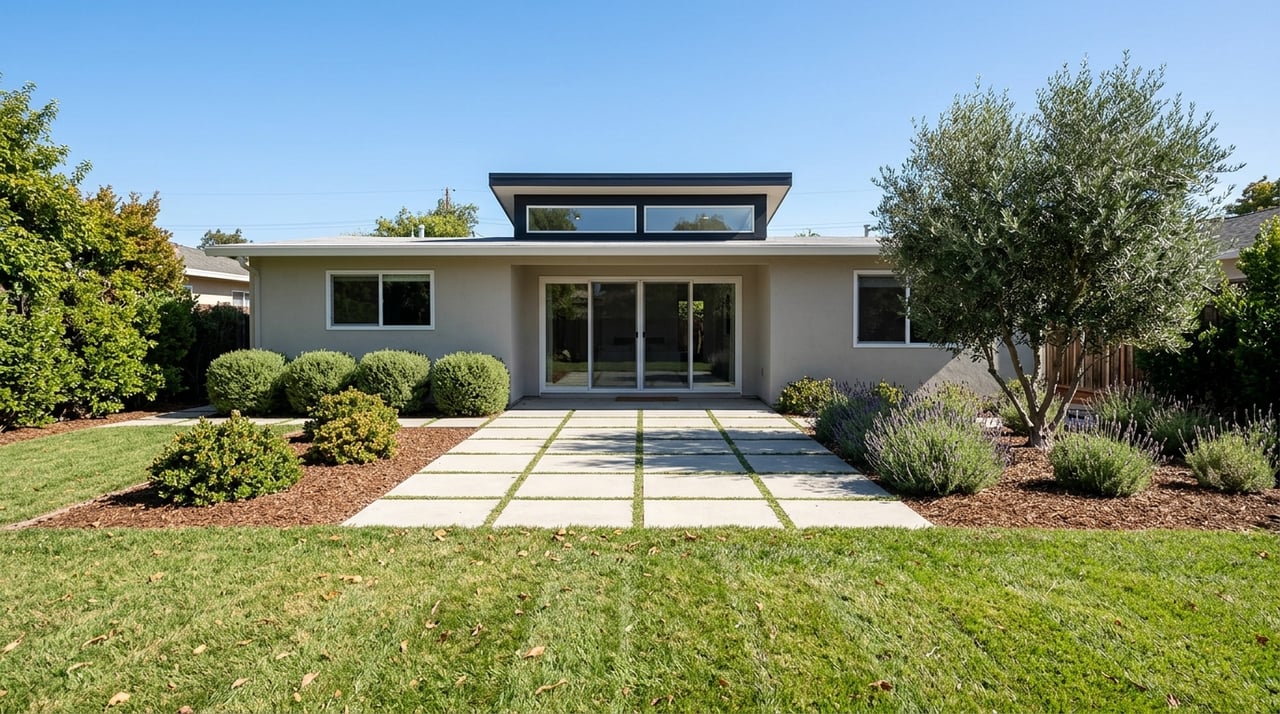
You see a new Mountain View listing, and within days it has a crowd at the open house and multiple offers lined up. It is normal to feel excited and a bit overwhelmed. The good news is you can compete with a clear plan that balances strength with safety. In this guide, you’ll learn how to structure your offer, time it well, handle appraisal risks, and present like a pro in Silicon Valley. Let’s dive in.
What sellers prioritize in Mountain View
Sellers want the highest net proceeds and the most certain path to closing. Price matters, but so do clean terms, strong financing, and a smooth timeline. Many sellers also value flexibility on closing and simple requests like a brief rent-back.
Your goal is to look like the surest choice. A slightly higher price does not always win if the terms introduce risk. You can beat a higher number by removing uncertainty the right way.
Build a financing edge before you shop
Pre-approval levels that matter
Not all lender letters are equal. A basic pre-qualification is a quick estimate and carries little weight. A full underwritten pre-approval, or being close to “clear to close,” is far stronger and reduces seller anxiety.
Ask your lender for the deepest approval you can get before making offers. Include the loan officer’s direct contact with your offer so the listing agent can verify strength quickly.
Cash, RSUs, and jumbo loans
Cash removes financing risk, but proof of funds is required. If your down payment comes from RSUs or stock sales, prep statements and a clear plan for liquidation or bridge financing. In Santa Clara County, jumbo loans are common because prices exceed many conforming limits. Work with a lender experienced in jumbo underwriting so your file moves fast.
The documentation sellers want to see
- Underwritten pre-approval with lender contact
- Proof of funds for down payment, closing costs, and any appraisal-gap cash
- Simple summary of your financing plan if it includes equity comp or bridge funds
Use terms that beat higher prices
Earnest money that signals certainty
Bay Area deposits often start around 1 to 3 percent of the price. A larger deposit and a quick funding timeline can help your offer stand out. Only commit to what you can fund immediately, and include proof of funds.
Smart contingency strategy
Contingencies protect you, but too many can push you behind. Common moves include a short inspection window (for example, 5 to 7 days) or completing inspections before you bid. If your lender is confident, you can shorten or remove a financing contingency, but understand the risk if the loan stalls.
Keep title and HOA items standard so there are fewer late surprises. When you reduce contingencies, set limits that match your financial comfort and what your lender will support.
Escalation clauses that work
An escalation clause raises your price above competing offers up to a clear cap. Set a simple increment, like 10,000 dollars, and require verification of the next-best offer. Escalation can be powerful, but some sellers prefer a clean number with strong terms. If you use escalation, pair it with firm, easy-to-read terms.
Solve appraisal gaps without overexposing yourself
Why gaps happen in Silicon Valley
In fast markets, closed sales can lag real-time demand. Your offer may be higher than recent comps, especially near major employers and transit. That is when appraisals can come in low.
Four ways to handle a low appraisal
- Appraisal-gap coverage. You agree to cover a set amount, such as 25,000 to 50,000 dollars, in cash over the appraised value. This gives the seller confidence while capping your exposure.
- Waive the appraisal contingency. This is the most aggressive move. If the appraisal lands low, your lender will finance only up to the appraised value, and you must bring the difference in cash.
- Short cure period. Keep the contingency, but provide a brief window to renegotiate if the appraisal is low.
- Combine escalation and a gap cap. Use escalation to win, then a defined cash cap to control risk.
Work with your lender first
Lenders follow loan-to-value rules and will not lend above the appraised value. Any shortage must be paid in cash at closing. Confirm in writing that your lender can fund within the contingency plan you choose. If you promise a gap, make sure those funds are liquid and ready.
Time your offer in Mountain View
Early listing weekends and deadlines
Well-priced homes often gather offers after the first weekend and follow a “highest and best” deadline. Aim to submit one complete, polished offer by the stated cutoff. A clean, early, and well-documented offer often outperforms last-minute changes.
Mid-week opportunities
Some properties accept offers as they come. Mid-week submissions can sometimes face less competition, but prime listings still draw attention on weekends. Track each listing’s showing flow and agent guidance.
Match your timing to the seller’s plan
Ask the listing agent about the preferred close date or rent-back needs. If the seller wants a quick close, tighten your timeline. If they need time to move, offer flexibility. That alignment can be the tiebreaker.
Nail the value with local comps
- Use fresh comps from the last 3 to 6 months when possible. Expand the window only when inventory is thin.
- For single-family homes, focus within about a quarter to half a mile when neighborhoods are similar. For condos, compare within the same building or similar buildings.
- Adjust for size, condition, lot, parking, and proximity to major employers and transit. These features influence value in Mountain View and nearby tech hubs.
- Track average days on market and sale-to-list ratios for similar properties. Pending and active listings show current competition but do not set appraised value.
Mountain View’s condo and single-family segments behave differently. Condos near Caltrain and downtown draw steady demand from commuters. Single-family homes near major employers and certain school areas often command premiums. Keep your comp set tight, current, and relevant to the specific micro-location.
Your agent’s role in winning with less risk
A strong buyer’s agent does more than write a price. They package your entire offer to reduce seller friction and protect you from avoidable risk.
- Financial packaging. Your agent confirms your underwriting status, includes lender contact details, and organizes proof of funds so the listing side sees certainty.
- Risk-managed terms. They advise on inspection windows, appraisal-gap caps, and contingency choices that support acceptance without exposing you beyond your comfort.
- Market intelligence. Your agent prepares a comps packet that explains your price and highlights key property features.
- Relationship and communication. They connect with the listing agent to learn the seller’s priorities and tailor your terms to match.
Pre-offer checklist
- Secure a full underwritten pre-approval or the strongest lender letter available.
- Gather proof of funds for your down payment, closing costs, and any planned appraisal-gap coverage.
- Decide on your risk limits for inspection, appraisal, and financing contingencies.
- Build your comps view and target value range for the home.
- Set your earnest money amount and deposit timing.
Offer submission checklist
- Signed purchase agreement with all required forms
- Lender letter with direct contact information
- Proof of funds for deposit and gap coverage
- Any pre-offer inspection reports or disclosures you are relying on
- Escalation addendum with increment and cap, if used
- A simple cover page that highlights price, terms, and timing
Sample offer frameworks
Use these as starting points and adjust to your finances and comfort.
Conservative competitive
- Strong underwritten pre-approval
- 30 to 45 day close, earnest money around 1 to 2 percent
- Seven-day inspection contingency
- Appraisal contingency with a capped gap, such as up to 25,000 dollars
Aggressive but bounded
- Underwritten pre-approval or cash-equivalent strength
- 21 to 30 day close, larger earnest money at 2 to 3 percent
- Five-day inspection window
- Escalation with clear cap, plus an appraisal-gap cap of about 1 to 3 percent of price
Maximum certainty (highest seller appeal, highest buyer risk)
- All cash or loan very near “clear to close”
- No appraisal or financing contingencies
- Limited or waived inspection
- Flexible closing and seller rent-back if needed
East Bay context, Mountain View focus
In Oakland, Berkeley, and nearby East Bay cities, inventory can be higher and days on market longer, but well-priced or transit-adjacent homes still see multiple offers. If you are cross-shopping, carry the same disciplined approach. The strongest financing, clean terms, and aligned timing travel well across both markets.
Final thoughts: certainty is your currency
Winning in Mountain View is about showing the seller that you will close on time with minimal friction. Focus on a deep pre-approval, clear proof of funds, short and targeted contingencies, and terms that match the seller’s timeline. With the right structure, you can compete hard while keeping your risk in check.
If you want a tailored plan for your next offer, connect with Anita Salas for clear guidance and a strategy that fits your goals.
FAQs
What matters most to Mountain View sellers in multiple offers?
- Price, certainty of close, and a clean contract with strong financing and clear timelines tend to drive decisions when offers are similar.
How does an appraisal-gap guarantee work for Mountain View homes?
- You agree to pay a set cash amount above the appraised value, which reassures the seller and caps your exposure if the appraisal comes in low.
Is an escalation clause a good idea in Silicon Valley bidding wars?
- It can be effective if you set a simple increment and cap, but some sellers prefer a clean number with strong terms, so pair escalation with clear, firm conditions.
How much earnest money is typical for Mountain View offers?
- Many buyers offer about 1 to 3 percent as a deposit, and larger amounts or quicker funding can signal commitment if you have the liquidity.
Should I waive the inspection contingency to win in Mountain View?
- Waiving can help, but it raises risk; a short inspection window or pre-offer inspection is a common middle ground that protects you while staying competitive.
How do jumbo loans affect my offer near major Silicon Valley employers?
- Jumbo financing is common, so work with a lender experienced in jumbo underwriting and include a strong approval letter and contact details to reduce seller concerns.