If you want a home base that feels more relaxed without losing touch with Silicon Valley opportunity, Santa Clara deserves a close look. You may be balancing commute goals, housing options, and day-to-day lifestyle, all while trying to find a place that works now and still makes sense a few years from now. The good news is that Santa Clara offers a mix of suburban comfort, major employer access, transit connections, and everyday amenities that can make that balance easier. Let’s dive in.
Why Santa Clara Stands Out
Santa Clara sits in the center of Silicon Valley and functions as a regional hub with access to freeways, airports, railroads, expressways, light rail, and public transportation. According to the city, it spans 19.3 square miles of tree-lined neighborhoods and enjoys roughly 300 days of sunshine.
That combination shapes how the city feels. You get a residential setting that can feel calmer and more spread out than some nearby urban cores, while still staying close to major employment centers and regional transit.
Tech Jobs Are Close By
One of the biggest reasons people consider living in Santa Clara is simple: job access. The city says more than 12,000 businesses operate here, including major employers such as Applied Materials, Intel, Nvidia, Oracle, and Ericsson.
For many buyers, that means you do not have to choose between a neighborhood setting and proximity to work. Santa Clara gives you the chance to live near a dense job market while still enjoying parks, local services, and established residential areas.
Housing Options in Santa Clara
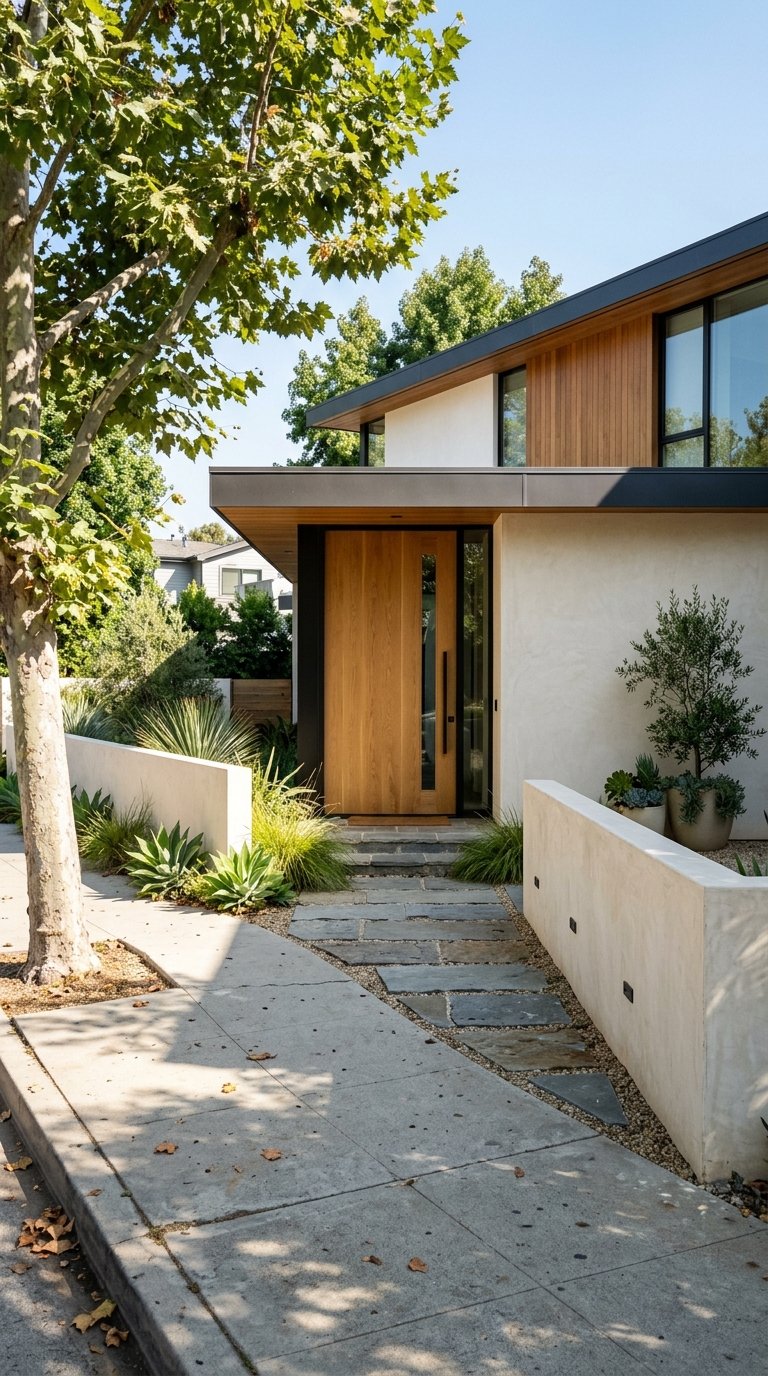
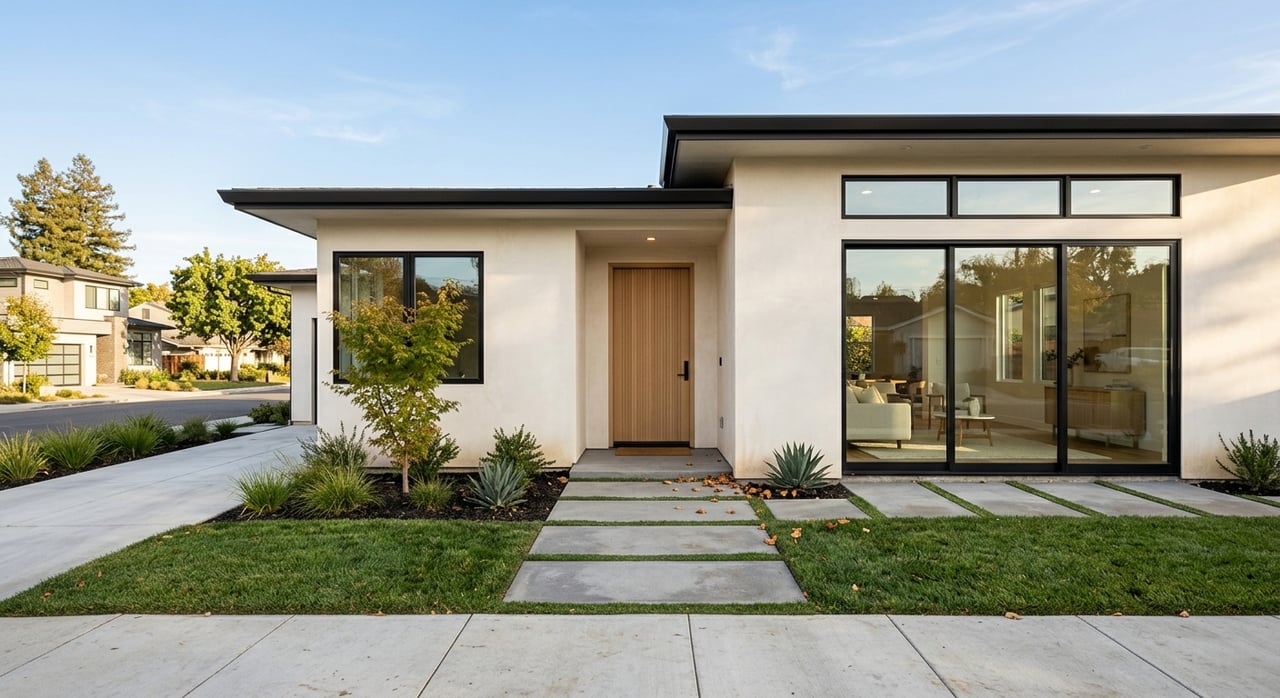
Santa Clara’s land-use framework offers a helpful picture of the housing types you are likely to see across the city. Very low-density areas are described as single-family detached neighborhoods with setbacks, parking, landscaped yards, and tree-lined streets.
Low-density areas include detached and attached homes such as townhomes and rowhouses. Medium-density areas add low-rise apartments, townhomes, and rowhouses, often near major roads or neighborhood centers. High-density areas are intended for transit and mixed-use locations, with mid-rise buildings and shared open space.
In practical terms, that means Santa Clara offers a broad mix. You can find established residential blocks that align with a more suburban lifestyle, along with denser pockets that may appeal if you want easier access to transit or mixed-use development.
Where Growth Is Happening
If you are thinking long term, it helps to know where Santa Clara is changing. Two areas stand out in particular: downtown and the Santa Clara Station Area.
Downtown Santa Clara
In December 2023, Santa Clara adopted a Downtown Precise Plan and Form Based Zoning Code for its historic 25-acre downtown area. The city’s goal is to create a more vibrant, pedestrian-oriented destination with residential, office, and civic uses.
The plan envisions about 400 residential units and 130,000 square feet of non-residential development in the downtown focus area. For buyers, that signals ongoing investment and a push toward a more active downtown environment over time.
Santa Clara Station Area
The Santa Clara Station Area covers 244 acres around the Santa Clara Transit Station. The city says this area is served by Caltrain, ACE, and VTA bus service, with BART Phase II planned to terminate there.
The land-use plan describes potential for about 1,650 residential units and 2,000,000 square feet of non-residential space. That suggests future growth is likely to cluster around transit, which can be important if you value regional access or want to watch how different parts of the city evolve.
Commuting From Santa Clara
For many Silicon Valley buyers, commute flexibility is a huge part of quality of life. Santa Clara has a strong multimodal transportation story, especially around the Santa Clara Transit Center.
Caltrain runs between San Francisco and Gilroy, and the Santa Clara Transit Center serves as a transfer point for Caltrain, ACE, and VTA bus riders. VTA’s route map also includes Route 53 between Sunnyvale Transit Center and Santa Clara Transit Center, along with express routes 101 through 104 to Stanford Research Park.
VTA also describes the Santa Clara Transit Center as a park-and-ride site. On top of that, the city points to SV Hopper, an on-demand shuttle serving parts of Santa Clara and nearby Cupertino, which can help with local last-mile trips.
This matters even more in a hybrid-work region. Caltrain’s 2025 triennial survey found that commute trips still make up the majority of ridership, and many riders use the system two to three days per week. While that is Bay Area-wide data, it reflects how many local professionals now think about commuting: not always every day, but still often enough that convenient transit access matters.
Everyday Life and Amenities
A city can look good on paper and still fall short in daily life. Santa Clara has a stronger everyday amenity base than many people expect, which is part of what makes it appealing.
The city’s Parks & Recreation department supports residents through parks, recreation facilities, community services, programs, and events. Santa Clara also offers three library branches, a senior center, and city events such as the Art & Wine Festival, Comic Con, and Arbor/Earth Day.
These features add a layer of convenience and community rhythm to everyday living. They also give the city more to offer than just a place to sleep between workdays.
Central Park and Open Space
Central Park is Santa Clara’s signature green space. The city says the 52-acre park includes athletic fields, courts, picnic areas, a playground, restrooms, a lake, the Central Park Library, and the 30,000-square-foot Community Recreation Center.
If you want another kind of outdoor experience, Ulistac Natural Area offers 40 acres of native habitat along the Guadalupe River with seven distinct environments. Together, these spaces support both active recreation and quieter time outdoors.
Entertainment and Local Activity
Santa Clara also has a lively entertainment side. Levi’s Stadium has hosted more than 100 major events and averages about 20 events a year, according to the stadium.
That can be a plus if you enjoy major events and want easy access to them. At the same time, it is worth understanding that areas near the stadium are part of an active event corridor, and the city maintains traffic advisories and transportation information for event days.
For additional outings, the city also lists California’s Great America and the Triton Museum of Art among local attractions. That gives you more variety in how you spend weekends and free time.
What Santa Clara Feels Like
The best way to describe Santa Clara is as a suburban-feeling city with real job density and growing transit-oriented areas. It is not frozen in place, and it is not trying to be the same in every neighborhood.
Some areas align more with traditional residential patterns, including detached homes, yards, and tree-lined streets. Other parts of the city are positioned for more housing and mixed-use growth near transit and downtown. That range is part of the appeal, because it gives you more than one way to live in Santa Clara.
Is Santa Clara Right for You?
Santa Clara may be a strong fit if you want to stay close to Silicon Valley employers without giving up a more residential setting. It can also make sense if you value transportation options, parks, and a city that is planning for future growth in specific, transit-connected areas.
If you are comparing Santa Clara with nearby cities, the real question is not just where you can buy. It is where your daily routine, commute pattern, and long-term goals line up best with the local housing mix and neighborhood feel.
That is where local guidance becomes valuable. If you want help weighing Santa Clara against other Silicon Valley options, or you want a smart buying strategy built around your timeline and financial goals, connect with Anita Salas.
FAQs
What is daily life like in Santa Clara, CA?
- Santa Clara offers a suburban feel with tree-lined neighborhoods, about 300 days of sunshine, parks, libraries, community events, and access to major Silicon Valley job centers.
What kinds of homes can you find in Santa Clara?
- Santa Clara includes single-family detached neighborhoods, townhomes, rowhouses, low-rise apartments, and higher-density housing near transit and mixed-use areas.
How close is Santa Clara to major tech jobs?
- Santa Clara is home to more than 12,000 businesses, including Applied Materials, Intel, Nvidia, Oracle, and Ericsson, which helps keep many major employers nearby.
What transit options are available in Santa Clara?
- Santa Clara Transit Center connects Caltrain, ACE, and VTA bus service, and the city also highlights SV Hopper as an on-demand local shuttle option in parts of Santa Clara and nearby Cupertino.
Is Santa Clara growing around transit and downtown?
- Yes. The city has adopted plans for both the downtown area and the Santa Clara Station Area, with future housing and non-residential development expected to concentrate in those locations.
What are some popular parks and attractions in Santa Clara?
- Central Park, Ulistac Natural Area, Levi’s Stadium, California’s Great America, and the Triton Museum of Art are among the city’s notable outdoor and entertainment destinations.