Wondering what kind of home actually fits your life in Sunnyvale? That is a smart question, because this city offers far more than one classic Silicon Valley housing style. If you are comparing a detached ranch home, a townhome, or a condo community, the right choice often comes down to maintenance, privacy, control, and future flexibility. Let’s break down how Sunnyvale housing types work so you can make a more confident move.
Sunnyvale Has More Than One Housing Style
Sunnyvale is a mixed housing market, not a one-format suburb. According to the city’s 2025 to 2030 Consolidated Plan, about 36% of housing units are detached single-unit structures, 10% are attached single-unit structures, 10% are 2 to 4 units, 15% are 5 to 19 units, and 23% are 20 or more units.
That mix reflects how the city grew over time. Sunnyvale transitioned from agricultural land into homes, factories, and offices after World War II, which helps explain why you can still find older low-density neighborhoods alongside newer attached and multifamily communities.
For you as a buyer, that means Sunnyvale offers several ownership experiences side by side. You may be choosing between a detached lot, an attached home, or a common-interest community, all within the same city.
Detached Homes in Sunnyvale
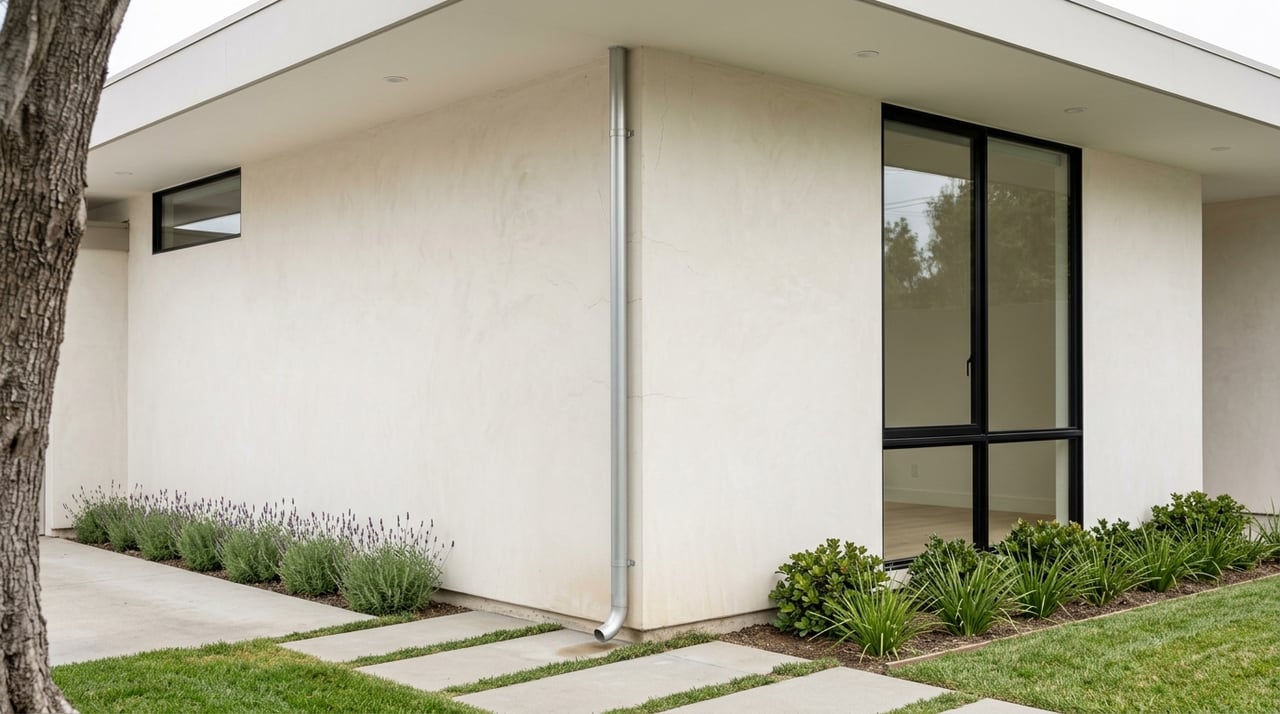
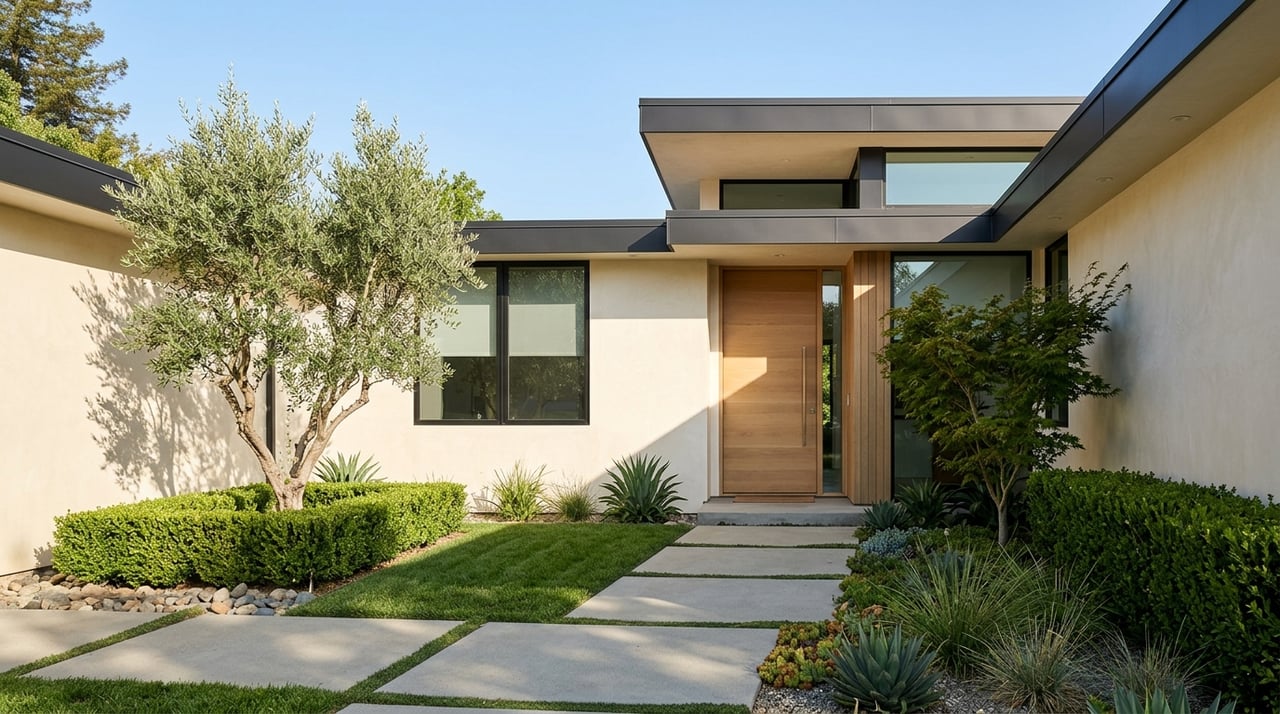
Detached homes are often the first thing buyers picture when they think about suburban ownership. In Sunnyvale, that can include post-war ranch homes and neighborhoods with strong mid-century design character, including Eichler areas.
These homes usually offer the most privacy, yard space, and exterior control. If you want a clearer path to projects like landscaping changes, additions, or certain accessory dwelling unit options, detached housing often gives you more flexibility than attached products.
Still, more flexibility does not mean no rules. Sunnyvale requires permits and standards for many common projects, including fences, window replacement, solar, skylights, air-conditioning equipment, and major remodels.
What Makes Detached Homes Appealing
Detached homes can be a strong fit if you want more room to shape the property over time. You may have more options for outdoor use, exterior changes, and long-term planning than you would in a community with shared walls and HOA oversight.
Sunnyvale’s ADU rules are especially important here. The city allows attached, detached, and conversion ADUs, plus junior ADUs on qualifying properties, and it notes that JADUs are limited to single-family homes.
What Buyers Should Watch For
Many older Sunnyvale homes were built in a different era of insulation and HVAC expectations. In practical terms, ownership may include mechanical upgrades and other modernization work over time.
Some neighborhoods also come with design review considerations. In heritage-resource districts and Eichler areas, exterior changes may need to follow specific design guidance, and larger or less compatible projects can require additional review.
If you love the character of an older Sunnyvale home, that can still be a great match. You just want to go in with a clear picture of the upkeep and approval process that may come with it.
Townhomes and Attached Homes
Townhomes often appeal to buyers who want a middle-ground option. You may get more of a house feel than a typical condo while still reducing some of the exterior upkeep that comes with a detached property.
In Sunnyvale, though, it is important to understand that style and ownership are not the same thing. California guidance explains that a townhouse can legally be a condominium, a planned unit development, or another ownership form depending on the project documents.
That detail matters because it affects what you own, what the HOA maintains, and how much control you have over the exterior. Two homes that look similar from the street can come with very different rules and responsibilities.
Why Ownership Structure Matters
In a condominium, you typically own the unit plus a shared interest in the common areas. In a planned development or PUD, you typically own the lot and structure while sharing use of common areas through the association.
That difference can shape your monthly costs and your day-to-day ownership experience. It may also affect how roofs, walkways, exterior walls, and plumbing responsibilities are handled.
What the HOA Usually Changes
HOAs play a major role in many townhome communities. Under California guidance, HOA assessments can help fund common-area maintenance, management, insurance, legal fees, and reserves for replacement items such as roofs, walkways, and plumbing.
For you, that often means less direct responsibility for some exterior items. It also usually means more rules, board oversight, and dues.
If you are considering a townhome, review the governing documents early. California guidance advises buyers to look closely at CC&Rs, bylaws, financial statements, and delinquency information before taking ownership.
Condo Communities in Sunnyvale
Condo communities are usually the most association-driven option. They can be appealing if you want a more streamlined ownership experience and are comfortable with a shared-maintenance model.
In many condo communities, the HOA takes on more responsibility for common areas and major shared systems. That can simplify day-to-day ownership, especially if you prefer less exterior maintenance.
The tradeoff is that the quality of the HOA becomes especially important. A well-run association with solid budgeting and reserve planning can support smoother ownership, while weak financials can raise concerns for future costs.
What Condo Buyers Should Focus On
Before buying, pay close attention to the association documents and finances. California guidance specifically points buyers to the governing documents, the most recent financial statement, and delinquency information.
This is not just paperwork. It helps you understand how the community is managed, what the dues support, and whether the HOA appears prepared for repairs and replacement costs.
Flexibility Can Be More Limited
Condo and multifamily ownership can also limit future property changes. Sunnyvale’s ADU guidance makes clear that long-term flexibility differs by housing type, and the number and type of ADUs permitted varies between single-family and multifamily properties.
For example, attached ADUs are not allowed for multifamily homes, and JADUs are limited to single-family homes. If future expansion matters to you, that is worth weighing before you buy.
Comparing Sunnyvale Housing Types
If you are deciding between home types, these are usually the biggest tradeoffs to compare.
| Housing Type | Maintenance | Privacy | Exterior Control | Future Flexibility |
|---|---|---|---|---|
| Detached home | Higher owner responsibility | Usually highest | Usually greatest, subject to city rules | Often strongest for additions or ADUs |
| Townhome | Moderate, depends on HOA and ownership form | Moderate | Varies by project documents and HOA rules | Varies by legal structure |
| Condo | Often lower direct exterior responsibility | Usually lowest of the three | Usually most limited | Often more limited |
This is where the decision becomes personal. The best choice is not about which type is “better.” It is about which tradeoffs fit your budget, time, and long-term plans.
How To Choose the Right Fit
If you value yard space, privacy, and a clearer path to customization, a detached home may be the better fit. That is especially true if you are comfortable taking on more upkeep and understanding local permit or design-review requirements.
If you want a balance between house-like living and lower maintenance, a townhome may make sense. Just be sure to confirm whether it is legally a condo, a PUD, or another ownership form, because that affects both control and costs.
If your top priority is convenience and shared maintenance, a condo community may feel simpler. In that case, the HOA’s rules and financial health become a major part of your buying decision.
Sunnyvale’s housing stock has become more varied over time, with multifamily housing described by the city as the majority of the stock by 2020. The city also points to continued growth in attached housing and “missing middle” forms such as duplexes, triplexes, townhomes, cottage clusters, and ADUs.
That variety is good news for buyers. It means you have real options, but it also means you need to look beyond appearance and ask better questions about ownership, maintenance, and future flexibility.
If you are trying to sort through Sunnyvale housing choices, working with a local advisor can help you compare not just price, but also the long-term financial fit of the property. When you are ready to talk through your options, connect with Anita Salas for practical guidance tailored to your goals.
FAQs
What housing types are common in Sunnyvale for homebuyers?
- Sunnyvale includes detached single-unit homes, attached single-unit homes, small multifamily properties, and larger apartment or condo-style buildings, giving buyers several ownership options in one market.
What should Sunnyvale buyers know about detached homes?
- Detached homes often offer more privacy, yard space, and exterior flexibility, but they can also come with more maintenance, permit requirements, and in some areas, design-review constraints.
What should Sunnyvale buyers know about townhomes?
- A townhome may look like a house-style property, but the legal ownership structure can vary, so you should review whether it is a condominium, a PUD, or another form before you buy.
What should Sunnyvale buyers know about condo HOAs?
- Condo HOAs often handle common-area maintenance and reserve planning, but buyers should review CC&Rs, bylaws, financial statements, and delinquency information to understand costs and management quality.
What should Sunnyvale buyers know about ADU flexibility?
- ADU options differ by property type in Sunnyvale, with single-family homes generally offering more flexibility and JADUs limited to single-family homes.
How should Silicon Valley buyers choose between a house, townhome, and condo in Sunnyvale?
- Focus on the tradeoffs that matter most to you, including maintenance, privacy, HOA control, and whether you may want future additions or ADU options.